

Support My Independent Research
If you are not ready to become a paid subscriber—or if you currently subscribe for free—you can still support my independent research and writing with a voluntary contribution.
Supporters who contribute US$15 or more will receive one month of complimentary paid access to Sentinel Journal, including this complete article and other subscriber-only content.
After contributing, please send me the email address connected to your Substack account so I can activate your access. I add complimentary access manually, and it will not renew or create a recurring charge.
Thank you for helping me continue researching and preserving these important stories.
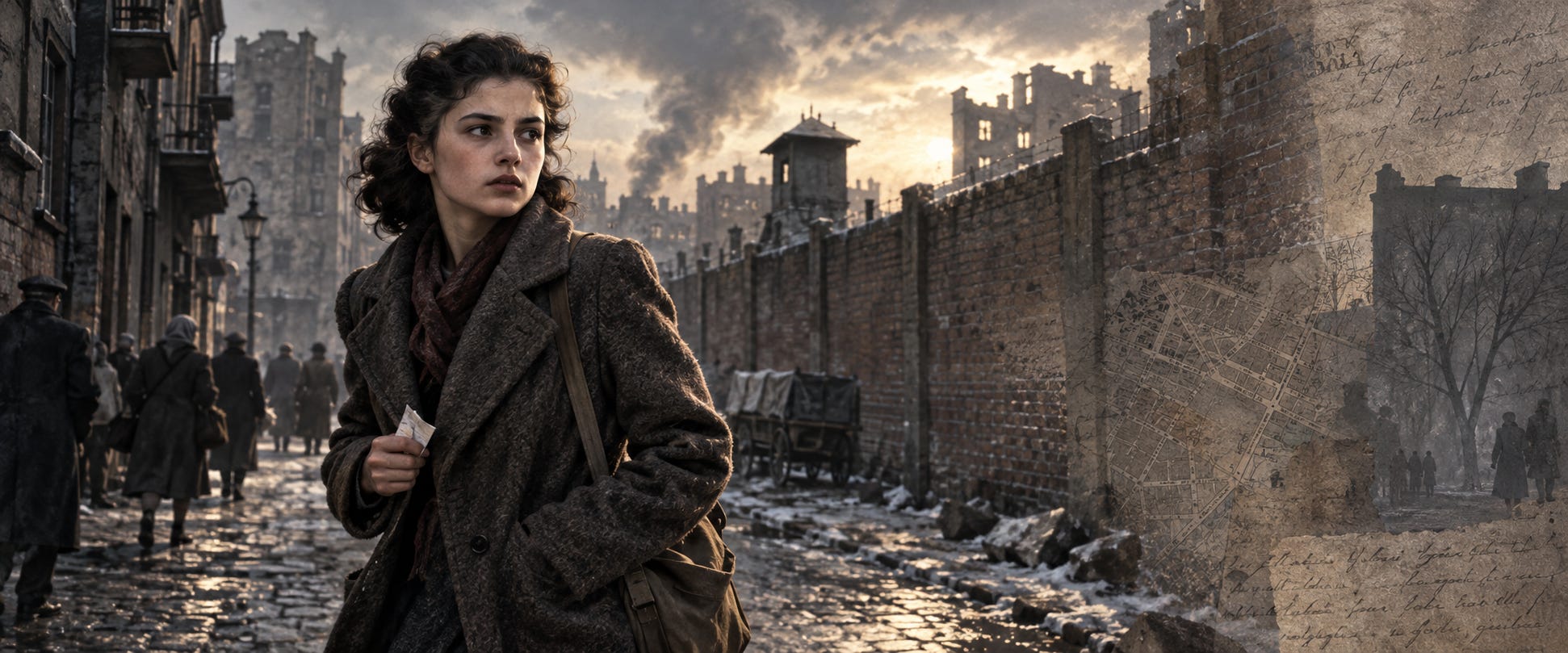
Before Tosia Altman became a fighter in the Warsaw Ghetto Uprising, she was a young Zionist preparing for a different life.
She studied Hebrew. She joined Hashomer Hatzair, the socialist-Zionist youth movement. She trained for agricultural life and hoped to immigrate to Mandatory Palestine, where she could help build a Jewish homeland.
History offered her another path—escape from occupied Poland—and she came close to taking it.
When the Second World War began, Altman reached Vilnius, where some Jewish activists still hoped to find a route out of Europe. She might have continued searching for her own passage to safety.
Instead, she returned to German-occupied Poland.
She understood that the young Jews who had looked to Hashomer Hatzair for instruction, community, and hope were now isolated inside ghettos. Their leaders had to decide whether Zionism was only a plan for a distant future or also a responsibility to Jews facing danger in the present.
Tosia Altman made her choice.
She went back.
